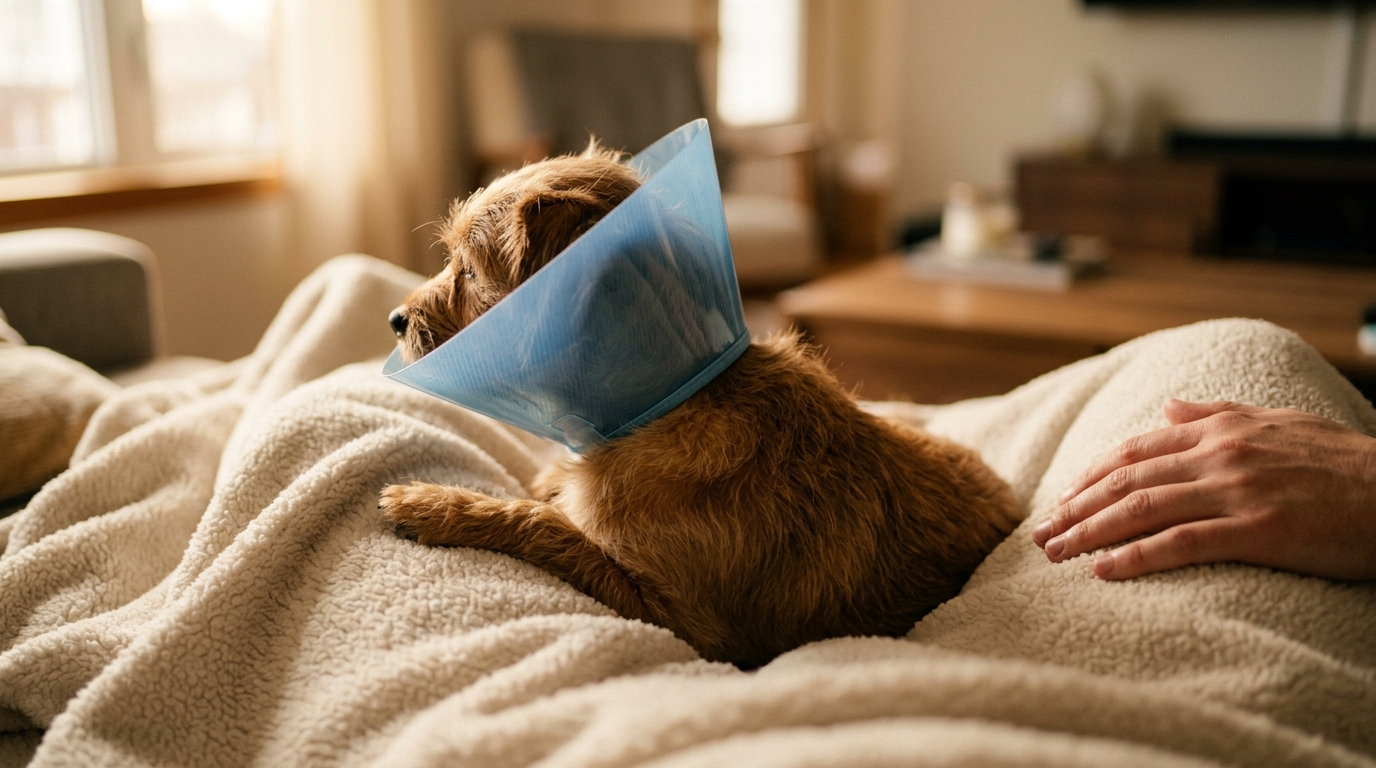
• Most pets need 10-14 days of restricted activity and close incision monitoring after spay or neuter surgery.
• Knowing what is normal versus what requires a vet call makes the recovery period far less stressful for pet owners.
• Noblesville pet owners can schedule surgery and ask post-op questions directly with a local veterinary team.
After a spay or neuter procedure, the first two weeks at home are the most critical window for safe healing. Following your veterinarian’s discharge instructions precisely is the single most effective thing you can do to prevent complications.
If you are planning or have recently scheduled spay and neuter Noblesville IN, understanding the recovery process before surgery day helps you set up the right environment, stock the right supplies, and recognize warning signs early. Noah’s Animal Hospital North performs veterinary surgery including spay and neuter procedures for dogs and cats, and after surgery, pets recover in a monitored recovery area before the team provides aftercare instructions and a pain management plan for recovery at home.
What to Expect in the First 24 Hours
The hours immediately after surgery are when anesthesia effects are most noticeable. Your pet’s behavior may be slightly altered in the first 24 hours — they may be glassy-eyed, sleepy, nauseous, wobbly, vocal, shivering, or irritable. This is normal and typically resolves within a day.
Key steps for the first evening home:
• Place your pet in a quiet, low-traffic room away from other animals and children.
• Offer small amounts of the food they eat regularly and water later in the evening.
• Offer easy-to-digest meals in small portions; keep in mind they may feel nauseated at first, and it can take up to 48 hours for their appetite to return to normal.
• Do not give human medication to your pet — it is dangerous and can be fatal.
Before surgery, a thorough exam and diagnostic tests confirm your pet is fit for the procedure, and a customized pain management plan using safe anesthetics is developed with technicians monitoring vital signs throughout. That pre-surgical preparation means your pet should arrive home already with pain well controlled.
Activity Restrictions and Incision Care
Activity restriction is the most commonly overlooked part of recovery. It is very important that you limit your pet’s movements during the 7 to 10 day recovery period, as strenuous activity such as running, jumping, or playing could disrupt the healing process.
According to the ASPCA Spay/Neuter Alliance after-surgery guidelines, keeping a recently operated pet calm and supervised is essential to preventing incision breakdown and costly follow-up care.
Incision care checklist:
• Check the incision twice daily until healed. A small amount of blood is normal immediately after surgery. Some redness and swelling of the incision is expected and normal.
• Keep the incision dry. No bathing, swimming, or playing in deep snow.
• Prevent your pet from licking or chewing the incision site. Licking may cause the incision to become infected or open, which will likely require follow-up visits at considerable cost.
• Use an Elizabethan collar (cone) or a medical pet shirt to restrict access to the area. The collar or shirt should be worn for ten to fifteen days following surgery.
| Activity | Dogs | Cats |
| Short leash walks | Allowed after a few days | Not recommended |
| Outdoor access | Supervised only | Keep indoors |
| Running and jumping | Restricted for 10-14 days | Restricted for 10-14 days |
| Bathing | No bathing until healed | No bathing until healed |
Warning Signs That Need Veterinary Attention
Most pets recover without any complications, but knowing the red flags protects your pet if something does go wrong. Contact your veterinarian promptly if you observe any of the following:
• The incision shows signs of excessive redness, swelling, bruising, or discharge (dripping or malodorous fluid).
• Your pet refuses to eat or drink for more than 12 hours.
• Your pet vomits more than three times in 12 hours.
• Excessive lethargy, vomiting, or bleeding warrants immediate veterinary attention.
Strenuous activity increases your pet’s risk of developing swelling around the incision site that could result in premature dissolving of sutures, opening of the incision, and costly medical care. Catching problems early almost always leads to a simpler, less expensive resolution.
FAQ: Spay and Neuter Recovery in Noblesville
How long does recovery take after spay or neuter surgery? The recovery period for most pets takes about 7 to 10 days, though full recovery can take a few weeks depending on the pet’s age, breed, and individual health.
When is the right age to spay or neuter my pet? Most pets are ready around 5 to 6 months old; your veterinarian can advise based on breed and health.
Can my pet play with other animals during recovery? For cats, it is best to keep them indoors and discourage play with toys or other pets. If they seem to want to play or jump, gently redirect their attention to something calming. Dogs should be kept on a short leash for any outdoor time and separated from energetic housemates.
Do I need to return for a follow-up appointment? Attend any follow-up appointments scheduled by your veterinarian to ensure your pet is healing properly. They may need to remove stitches or assess your pet’s recovery progress.
Schedule Surgery and Get Post-Op Support in Noblesville
A smooth recovery starts with a surgical team that prepares you before your pet ever goes under anesthesia. Noah’s Animal Hospital North & Urgent Care is located in Noblesville and offers spay and neuter surgery alongside urgent care services, so post-operative concerns can be addressed quickly. Their skilled surgical team is dedicated to making every procedure as safe and comfortable as possible, using modern equipment and techniques to ensure top-quality care while prioritizing your pet’s safety and comfort. Reach out before surgery day to ask about pre-op requirements, what to bring, and how to prepare your home recovery space — your pet will thank you for it.