Key takeaway:
• Fire damage restoration involves securing the property, removing soot and smoke residue, drying out water used to fight the fire, and rebuilding damaged structures.
• A professional assessment within the first 24 to 48 hours helps limit secondary damage from lingering smoke, soot acidity, and moisture.
• Local restoration teams typically coordinate directly with insurance adjusters to document losses and speed up claims.
A house fire leaves behind more than charred materials. Smoke odor, soot residue, and water from firefighting efforts can keep damaging a structure long after the flames are out, which is why fast, structured cleanup matters. Homeowners searching for Fire Damage Restoration in Downers Grove IL are usually trying to understand what the process looks like and how quickly they can get their property back to a livable condition.
Fire restoration is rarely a single-step job. It usually combines emergency board-up, debris removal, deep cleaning of soot and smoke residue, structural drying, and, in many cases, rebuilding parts of the home. Understanding each phase helps homeowners set realistic expectations for timeline and scope. For more on how a professional team handles the full process, use this Parkside Restoration Website Link.
What Happens During the Restoration Process
Most fire damage jobs follow a similar sequence, regardless of how large or small the fire was.
• Initial assessment : A technician inspects the property to identify structural risks, smoke penetration, and water saturation from firefighting efforts.
• Securing the property : Boarding broken windows, tarping damaged roofing, and shutting off compromised utilities prevents further loss.
• Soot and smoke removal : Specialized cleaning agents and equipment target residue on walls, ceilings, and belongings.
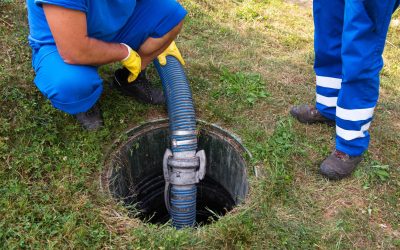
• Water extraction and drying : Fire suppression often leaves standing water, so drying equipment is brought in to prevent mold growth.
• Odor treatment : Air scrubbers and thermal fogging address smoke smell trapped in porous materials.
• Repair and reconstruction : Drywall, flooring, and framing are rebuilt once the space is fully dried and cleared.
The U.S. Fire Administration notes that residential fires remain one of the most common causes of property loss nationwide, which is part of why structured, multi-phase restoration protocols exist. Skipping steps, such as drying before reconstruction begins, often leads to mold or warped materials later.
Why Timing Affects the Outcome
The condition of a fire-damaged property changes by the hour. Soot is acidic and can etch metal, discolor grout, and yellow plastics within days if left untreated.
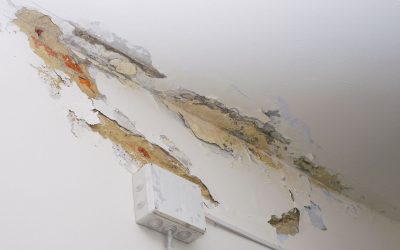
Smoke odor also becomes harder to remove the longer it sits in drywall, insulation, and fabric. Water from hoses or sprinkler systems can seep into subfloors and framing, creating conditions for mold within 24 to 48 hours in humid conditions. Acting quickly on assessment and drying reduces how much material needs full replacement versus cleaning.
Working With Insurance During Restoration
Most homeowners file a claim before restoration work begins, and documentation plays a central role in how smoothly that process goes.
| Step | What It Involves | Why It Matters |
| Damage documentation | Photos, inventory lists, moisture readings | Supports the insurance claim with evidence |
| Adjuster coordination | Restoration team communicates scope with adjuster | Reduces disputes over covered repairs |
| Itemized estimates | Written breakdown of labor and materials | Clarifies what is covered versus out-of-pocket |
| Progress updates | Regular reporting during drying and rebuild phases | Keeps the claim moving without delays |
Restoration companies familiar with local building codes and typical insurance workflows can often shorten the back-and-forth between homeowner and adjuster, since they are producing documentation the insurer already expects to see.
Choosing a Local Restoration Provider
Proximity matters in fire restoration because response time directly affects how much secondary damage occurs. A provider based in or near Downers Grove can typically begin board-up and water extraction faster than a company dispatching from farther away.
When researching options, look for:
1. Availability for emergency response outside normal business hours.
2. Experience working directly with insurance adjusters on documentation.
3. Equipment for both soot removal and structural drying, not just one or the other.
4. Clear communication about which materials can be cleaned versus which need replacement.
Visit the Google Maps Listing for Parkside Restoration to review service details and current contact information before reaching out for an assessment.
Frequently Asked Questions
How soon should restoration begin after a fire? Most restoration professionals recommend starting assessment and water extraction within the first 24 to 48 hours to limit soot etching and mold risk.
Can smoke odor be fully removed from a home? In most cases, yes, through a combination of deep cleaning, air scrubbing, and thermal fogging, though heavily saturated porous materials like carpet padding sometimes need replacement instead of cleaning.
Does homeowners insurance typically cover fire restoration? Most standard homeowners policies cover fire damage, but coverage details, deductibles, and what counts as a covered repair vary by policy, so reviewing the policy language or speaking with the adjuster directly is the only way to confirm specifics.
What is the difference between smoke damage and soot damage? Smoke damage generally refers to odor and discoloration from airborne residue, while soot is the actual particulate left behind, which is acidic and can cause physical etching on surfaces if not cleaned promptly.
Fire recovery is rarely just about cleaning up visible damage. The structural drying, odor treatment, and documentation steps in between often determine whether a home returns to full condition or ends up with lingering issues. Homeowners weighing their next move after a fire are better served by understanding the full scope of the process before selecting a provider.